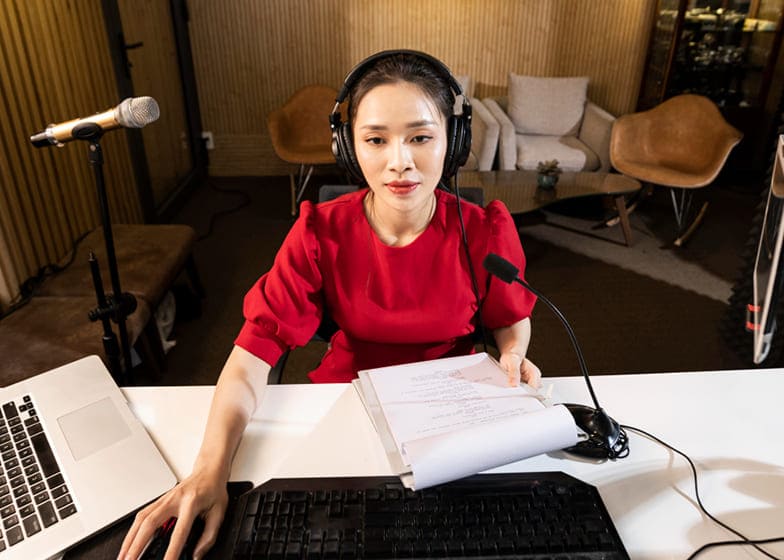



Become a HR Interview Transcriptionist - $15 to $35 per hour
HR interview transcription involves converting spoken conversations between job candidates and human resources professionals into accurate, written records. These transcripts are often used for hiring decisions, performance evaluations, training, and maintaining compliance with company policies or labor regulations. As an HR interview transcriptionist, your work ensures that every detail from interviews is captured correctly, allowing organizations to make informed decisions and maintain organized records.Opportunities in this field are growing as companies increasingly rely on digital records for recruitment and HR processes.
Key Responsibilities of an HR Interview Transcriptionist
HR interview transcriptionists are responsible for accurately converting spoken interviews between candidates and HR professionals into written records. These transcripts help companies maintain documentation for recruitment, performance evaluation, compliance, and training purposes. Precision, confidentiality, and timely delivery are critical in this role.
Below are the key responsibilities every HR interview transcriptionist must handle:
1. Accurate Transcription of Interviews
Convert spoken words from HR interviews into clear and precise written text, capturing all details, including candidate responses, interviewer questions, and any clarifications.
Best Practices:- Focus on accurately representing both the interviewer’s and candidate’s words.
- Use timestamps if required to align responses with the audio.
- Ensure proper grammar, punctuation, and readability.
2. Handling Multiple Speakers
Interviews may involve multiple HR staff or panel interviews. Correctly labeling speakers ensures clarity and accountability.
Best Practices:- Assign labels like “Interviewer 1,” “Interviewer 2,” and “Candidate” consistently.
- Clarify unclear speakers by reviewing audio carefully.
- Use software tools that help differentiate speakers.
3. Maintaining Confidentiality
HR interviews often include sensitive personal information. Maintaining strict confidentiality is essential.
Best Practices:- Use secure storage and encrypted files for transcripts.
- Avoid sharing interview content without authorization.
- Follow company or client guidelines for data privacy.
4. Formatting & Documentation
Transcripts should follow company or client-specific formatting standards for easy readability and reference.
Best Practices:- Use headings, bullet points, and consistent paragraph breaks.
- Include timestamps, when required, for review and auditing purposes.
- Ensure transcripts are professional, structured, and error-free.
5. Quality Review & Proofreading
Review transcripts for accuracy, grammar, and completeness before submission.
Best Practices:- Double-check technical terms, names, and numbers mentioned in the interview.
- Listen to audio sections again to confirm accuracy.
- Correct formatting issues and typos before delivering the final transcript.
Essential Skills Every HR Interview Transcriptionist Must Master
To excel as an HR interview transcriptionist, you need a mix of linguistic, technical, and organizational skills. This role goes beyond simply typing audio; it requires accuracy, clarity, and an understanding of HR processes to create transcripts that are reliable and useful for recruitment, performance evaluation, and legal compliance.
Below are the essential skills every HR interview transcriptionist should develop:
- Excellent Listening Skills: Accurately understand spoken dialogue, including different accents, overlapping speech, and soft-spoken candidates, ensuring that every response is captured correctly.
- Fast & Accurate Typing: Efficient typing without errors is crucial to keep up with interview pace while maintaining high-quality transcripts.
- Strong Grammar & Language Skills: Proper grammar, punctuation, and sentence structure are essential to produce professional, clear, and readable transcripts.
- Attention to Detail: Capture all details including names, dates, job titles, and specific terminology mentioned during interviews to maintain transcript integrity.
Tools & Software Every HR Interview Transcriptionist Should Use
HR interview transcriptionists rely on specialized tools and software to ensure accurate, efficient, and professional transcripts. Since interviews may involve multiple speakers, soft-spoken candidates, or technical HR terms, using the right setup is essential for productivity and quality.
Below are the key tools and software every HR interview transcriptionist should consider using:
1. Transcription Software
Dedicated transcription applications allow efficient audio playback, timestamps, speaker labeling, and real-time editing.
- Express Scribe: Popular transcription software with foot pedal support and speed control
- oTranscribe: Free web-based tool for manual transcription with timestamp features
- TranscribeMe or Sonix: AI-assisted transcription tools for faster initial drafts
2. Foot Pedals & Playback Control
Foot pedals and playback tools help transcribers pause, rewind, and control audio hands-free for smoother workflow.
- USB foot pedals compatible with transcription software
- Playback speed adjustment features to match transcription pace
- Hotkeys for quick navigation and editing
3. Headphones & Audio Equipment
Clear audio is critical, especially for remote interviews or recordings with multiple participants.
- Noise-canceling headphones to reduce background distractions
- High-quality headsets for listening clarity
- Microphones (if recording your own HR interviews) to capture clean audio
4. Text Editors & Formatting Tools
Organizing transcripts professionally requires tools for editing, formatting, and applying consistent standards.
- Microsoft Word or Google Docs for structured transcripts
- Templates with standard headings, timestamps, and speaker labels
- Auto-save and version control features to prevent data loss
5. Backup & Security Tools
HR interviews often involve confidential candidate information. Secure storage and backup solutions are essential.
- Encrypted cloud storage (Google Drive, Dropbox, OneDrive)
- Password-protected files and secure file transfer methods
- Regular backups to prevent accidental data loss
Accuracy & Attention to Detail in HR Transcriptions
In HR interview transcription, maintaining high accuracy and attention to detail is critical. Mistakes can lead to misrepresentation of a candidate’s responses, legal issues, or misinformed HR decisions. A professional transcriptionist must ensure that every word, nuance, and tone is captured correctly while following formatting and confidentiality standards.
Below are key aspects of maintaining accuracy and attention to detail in HR transcriptions:
- Precise Speaker Identification: Clearly distinguish between interviewer, candidate, and any other participants to avoid confusion in the transcript.
- Capturing Verbatim Speech: Transcribe exactly what is said, including pauses, filler words, and tone cues when required, to maintain authenticity of the conversation.
- Correct Use of Grammar & Punctuation: Proper grammar and punctuation help make the transcript readable without altering the meaning of the conversation.
- Attention to Confidential Information: Ensure sensitive information such as personal data, salary details, or legal disclosures are handled carefully and securely.
- Consistency in Formatting: Use consistent timestamps, speaker labels, and paragraph structures to make the transcript easy to follow and professional in appearance.
- Proofreading & Quality Checks: Always review the transcript for errors, misheard words, or inconsistencies before submission to ensure the highest level of accuracy.
How Much You Can Earn?
HR interview transcriptionists can earn a steady income depending on their experience, typing speed, accuracy, and the complexity of interviews. Transcription work in HR typically involves recording candidate interviews, panel discussions, performance reviews, or exit interviews. Beginners often start with freelance platforms or small HR projects, while experienced transcriptionists can command higher rates for corporate clients, legal compliance interviews, or detailed multi-part sessions.
1. Beginner HR Interview Transcriptionist (Entry-Level)
Beginners usually handle clear, one-on-one interviews or short HR discussions. Many start on platforms like Rev, TranscribeMe, or Upwork to gain experience and build a portfolio.
Typical Earnings:- $15 - $20 per hour of work
- $0.25 - $0.50 per audio minute
- $300 - $700 per month (part-time beginner projects)
2. Intermediate HR Interview Transcriptionist
Intermediate transcriptionists manage longer interviews, panel discussions, or sessions with multiple participants. They often work directly with HR departments or recruitment agencies.
Typical Earnings:- $20 - $28 per hour of work
- $0.50 - $0.90 per audio minute
- $800 - $2,000 per month (regular freelance or contract work)
3. Advanced / Professional HR Interview Transcriptionist
Experienced transcriptionists handle complex interviews such as executive panels, multi-language interviews, or legally sensitive HR recordings. They provide fully formatted transcripts with speaker labels and timestamps.
Typical Earnings:- $30 - $45+ per hour of work
- $0.90 - $1.50+ per audio minute
- $2,500 - $4,500+ per month (full-time specialized projects)
4. Additional Income Boosters
HR transcriptionists can increase their earnings by offering additional services or specializing in niche areas.
Common Income Boosters Include:- Verbatim transcription or including timestamps for detailed HR audits
- Editing, proofreading, and formatting transcripts according to corporate or legal standards
- Handling multilingual interviews for international organizations
- Rush orders or tight-deadline interviews for higher rates
- Providing summarized reports, action items, or HR compliance notes