


Become an ASL Real-Time Captioner - $40 to $90 per hour
ASL (American Sign Language) Real-Time Captioning is a specialized form of transcription that converts spoken language into text instantly while incorporating ASL interpretation. This role is essential for making live events, lectures, conferences, and media accessible to Deaf and hard-of-hearing audiences. ASL real-time captioners bridge communication gaps by providing accurate, instant captions that reflect both spoken words and the nuances of ASL interpretation.The demand for ASL real-time captioning is growing across education, corporate, government, and entertainment sectors. Captioners work closely with interpreters, presenters, and event organizers to ensure inclusivity and accessibility.
Tools & Software Every ASL Real-Time Captioner Should Use
ASL real-time captioners rely on a combination of specialized software, hardware, and digital tools to provide accurate and instantaneous captions. The right tools improve speed, accuracy, and workflow efficiency while ensuring accessibility for Deaf and hard-of-hearing audiences. Familiarity with these tools is essential for professional performance in live events, classrooms, webinars, and media broadcasts.
Below are some of the essential tools and software ASL real-time captioners use:
1. Real-Time Captioning Software
Software designed for real-time captioning allows captioners to transcribe spoken words instantly and integrate ASL interpretation when needed.
Popular Options Include:- CaptionMaker / MacCaption
- Steno CAT (for stenography-based captioning)
- StreamText
- VITAC Real-Time
2. Stenography Machines & Keyboards
Many ASL real-time captioners use stenotype machines or specialized keyboards to type at high speeds with accuracy.
Common Equipment:- Stenograph Luminex
- ProCAT / Diamante Steno Machines
- Standard QWERTY with real-time software for non-stenographers
3. Audio & Video Equipment
Clear audio and video feeds are critical for accurate captioning and ASL interpretation in real-time events.
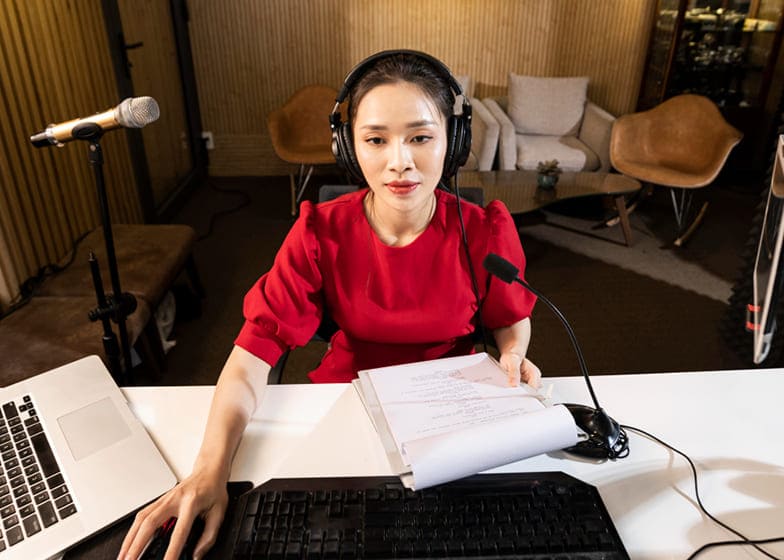
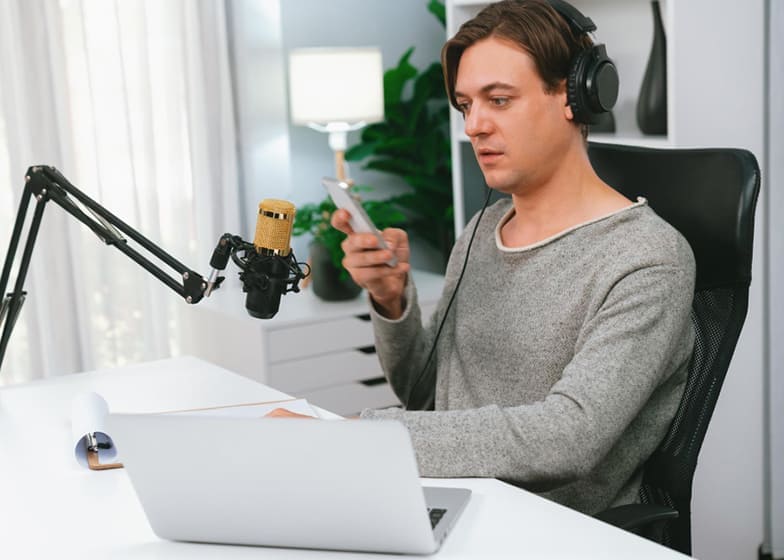
Recommended Tools:- Noise-canceling headphones for clear audio input
- High-quality microphones for live transcription monitoring
- Video monitors to follow sign language interpreters accurately
4. Text Editing & Formatting Tools
Captioners often need to edit, format, and timestamp captions to maintain readability and synchronization with the live event.
Useful Tools:- Microsoft Word or Google Docs (for offline edits)
- Notepad++ or Sublime Text for quick formatting
- Subtitle editing software like EZTitles or Subtitle Workshop
5. Connectivity & Collaboration Tools
For remote events or team-based projects, reliable internet and collaboration tools are essential.
Examples Include:- Zoom, Microsoft Teams, or Google Meet for live sessions
- Slack or Microsoft Teams for team communication
- Cloud storage solutions (Google Drive, Dropbox) for sharing transcripts
Essential Skills Every ASL Real-Time Captioner Must Master
ASL Real-Time Captioners play a crucial role in making spoken communication instantly accessible to Deaf and hard-of-hearing individuals. To perform effectively in fast-paced environments like live events, classrooms, conferences, and broadcast media, captioners must master a unique combination of technical, linguistic, and cognitive skills. These abilities allow them to interpret ASL, follow rapid speech, and convert it into accurate captions within seconds.
Whether working onsite or remotely, ASL Real-Time Captioners must demonstrate strong language proficiency, speed, attention to detail, and the ability to stay calm under pressure. The stronger these skills are, the more accurate, readable, and timely the captions become—leading to a smoother and more inclusive experience for viewers.
1. Advanced ASL & English Language Proficiency
Captioners must understand both American Sign Language and English deeply. This includes vocabulary, grammar, nuances, expressions, and cultural references. High-level proficiency helps ensure captioning is accurate and meaningful.
2. Excellent Listening & Comprehension Skills
Real-time captioning requires the ability to process spoken words instantly while understanding context, tone, and intent. Strong listening skills help captioners keep pace with fast speakers, complex discussions, and technical topics.
3. Fast & Accurate Typing
Depending on the method used (stenography or keyboard typing), captioners must maintain extremely high typing speeds—often 180 to 225 words per minute—with minimal errors. Speed and accuracy directly impact caption quality.
4. Real-Time Processing & Multitasking
Captioners must listen, interpret, type, edit, and monitor captions simultaneously. This high-level multitasking ability helps them deliver smooth, synchronized captions during live sessions.
Key Responsibilities of an ASL Real-Time Captioner
ASL Real-Time Captioners play an essential role in ensuring live accessibility for Deaf and hard-of-hearing individuals by converting spoken language into accurate, real-time captions. Their work supports equal access in classrooms, corporate meetings, conferences, broadcasting, webinars, and public events. To perform effectively, captioners must manage high-speed transcription, maintain perfect focus, and deliver readable captions within seconds of the spoken words.
The responsibilities of an ASL real-time captioner extend far beyond simply typing fast. They must understand context, handle multiple speakers, follow complex or technical topics, and ensure their captions meet professional accessibility standards. Their accuracy and speed directly affect the user’s experience, making their role incredibly important in communication access.
- Converting Speech into Real-Time Captions: Captioners listen to live audio and transform it instantly into accurate text with minimal delay, ensuring accessibility during ongoing events.
- Understanding and Following ASL Interpreter Output: When working with ASL interpreters, captioners must follow the interpreted message and convert it into precise written English.
- Maintaining High Accuracy & Readability: Captions must be clear, grammatically correct, properly formatted, and easy to read while matching the pace of the speaker.
- Managing Multiple Speakers: Accurately labeling speakers and handling overlapping or fast-paced dialogue is essential for clarity and context.
- Ensuring Proper Caption Formatting: Captioners apply rules for timing, line breaks, punctuation, capitalization, and in some cases, sound descriptions.
Types of Events You Can Caption in Real-Time (Conferences, Lectures, Webinars & More)
ASL Real-Time Captioners provide essential accessibility across a wide range of live events. Whether the audience includes deaf or hard-of-hearing individuals, non-native speakers, or viewers who prefer text support, real-time captioning ensures everyone can follow the content without barriers. Because many industries now rely on virtual and hybrid communication, the demand for captioners has expanded beyond traditional settings.
Below are the most common event types that require skilled real-time captioners:
1. Conferences & Corporate Events
- Business conferences, summits, and expos
- Leadership meetings and company-wide announcements
- Investor presentations and shareholder meetings
- Industry panel discussions and Q&A sessions
2. Educational Lectures & Academic Settings
- University lectures and classroom discussions
- Workshops, seminars, and academic conferences
- Student accommodation services (CART captioning)
- Training sessions for faculty, staff, and students
3. Live Webinars & Online Broadcasts
- Virtual training programs and coaching sessions
- Online business presentations and tutorials
- Streaming webinars for global audiences
- Remote conferences and hybrid events
4. Government & Legal Events
- Public meetings and government briefings
- Courtroom sessions and administrative hearings
- Town hall meetings and policy discussions
- Emergency communication broadcasts
5. Medical & Healthcare Events
- Medical conferences and presentations
- Patient consultations (with required confidentiality)
- Hospital training and educational workshops
- Public health announcements
6. Media, Entertainment & Live Shows
- Live television broadcasts
- Award shows, ceremonies, and cultural events
- Live-streamed podcasts and interviews
- Sports events and commentary
7. Corporate & HR Training Programs
- Diversity and inclusion workshops
- Employee onboarding sessions
- Skill-development workshops
- Internal communication updates
8. Community & Nonprofit Events
- Workshops and community education sessions
- Public awareness campaigns
- Youth programs and nonprofit meetings
- Fundraisers and outreach events
How Much You Can Earn?
ASL Real-Time Captioners can earn an excellent income depending on their experience, speed, accuracy, and ability to interpret and caption ASL-interpreted content in real time. Earnings vary based on the type of event, industry (education, corporate, government, broadcasting), and whether you work freelance or full-time. Beginners often start with smaller or slower-paced events, while advanced captioners earn premium rates for high-stakes or large public events.
1. Beginner ASL Real-Time Captioner (Entry-Level)
Beginners typically start by captioning low-pressure events such as small meetings, training sessions, or classroom lectures. They focus on mastering real-time captioning tools, accuracy, and timing while getting used to following ASL interpretations or spoken content.
Typical Earnings:- $40 - $50 per hour
- $150 - $250 per project
- $600 - $1,000 per week (part-time or smaller assignments)
2. Intermediate ASL Real-Time Captioner
Intermediate captioners handle more complex events such as business conferences, court-related meetings, webinars, and technical discussions. They can manage multiple speakers, faster pace, and more specialized terminology with confidence.
Typical Earnings:- $50 - $70 per hour
- $250 - $400 per project
- $1,200 - $2,000 per week (consistent assignments)
3. Advanced / Professional ASL Real-Time Captioner
Advanced captioners work on high-stakes, fast-paced events including live broadcasts, government meetings, educational accommodations, and large conferences. They deliver highly accurate, near-zero-delay captions and often handle complex or highly technical subjects.
Typical Earnings:- $70 - $90+ per hour
- $400 - $700+ per project
- $2,500 - $4,000+ per week (full-time, high-profile work)
4. Additional Income Boosters
ASL Real-Time Captioners can significantly increase their earnings by offering specialized or high-demand services.
Common Income Boosters Include:- Captioning for live TV broadcasts or news segments
- Providing CART services for universities and public events
- Offering bilingual or multilingual captioning
- Captioning for government or legal institutions
- Providing post-event transcript editing or caption cleanup
- Training new captioners or offering quality assurance services