

Start as an Mindfulness Coach - $25 to $55 per hour
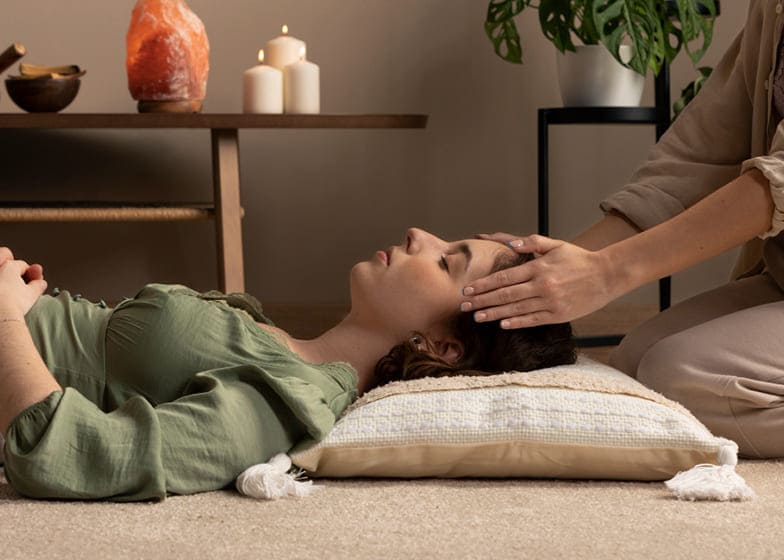
A Mindfulness Coach is a trained professional who helps individuals reduce stress, improve emotional balance, and develop greater awareness through structured mindfulness practices. Their role focuses on guiding clients to become more present, calm, and centered in their daily lives using techniques such as breathing exercises, meditation, grounding practices, and mindful thinking. Unlike therapists who address clinical issues, mindfulness coaches support personal well-being, mindset shifts, and lifestyle improvement through practical, non-clinical tools. They work with clients to build habits that enhance mental clarity, focus, emotional resilience, and overall quality of life.
Daily Responsibilities
Mindfulness Coaches help clients cultivate calmness, awareness, and emotional balance through guided practices and personalized coaching sessions. Their daily responsibilities involve planning sessions, teaching mindfulness techniques, tracking client progress, and creating supportive environments for mental well-being. Below are the core tasks a Mindfulness Coach typically handles each day:
- Conducting one-on-one or group mindfulness coaching sessions
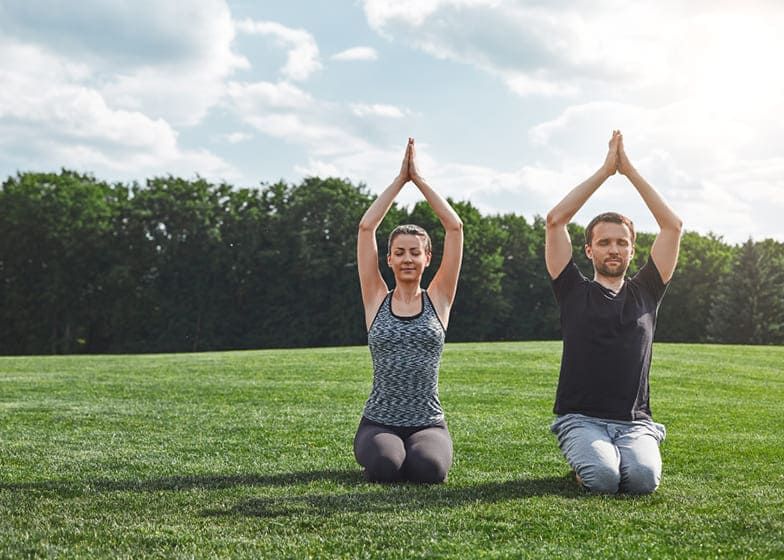
- Teaching techniques such as meditation, breathwork, grounding, and mindful awareness
- Assessing clients’ stress levels, goals, and emotional needs
- Creating customized mindfulness plans tailored to client lifestyles
- Guiding clients through daily or weekly mindfulness exercises
- Monitoring progress and adjusting techniques based on client feedback
- Preparing session materials, worksheets, and guided meditation scripts
- Hosting online classes, workshops, or mindfulness challenges
- Encouraging clients to maintain consistent practice between sessions
- Documenting client progress and maintaining session records
- Practicing personal mindfulness to stay grounded and effective as a coach
How to Start Your Career?
Starting a career as a Mindfulness Coach involves developing strong self-practice, gaining formal or informal mindfulness education, and building experience guiding others through meditation and awareness techniques. This path is ideal for individuals who value emotional well-being and enjoy helping others improve their mental clarity and stress management. Below is a clear step-by-step guide to begin your journey:
1. Build Your Personal Mindfulness Practice
Before guiding others, you must develop a strong foundation in your own mindfulness habits and meditation routines.
- Practice meditation, breathwork, and mindful awareness daily
- Explore different mindfulness traditions and techniques
- Learn from books, online courses, and workshops
2. Take Mindfulness or Meditation Training
While not always required, certifications add credibility and increase your opportunities in coaching or wellness centers.
- Mindfulness-Based Stress Reduction (MBSR) programs
- Meditation teacher training courses
- Workshops in emotional wellness, stress management, or holistic coaching
3. Gain Experience Through Practice & Volunteering
Start practicing with small groups, friends, or community members to strengthen your teaching and communication skills.
- Guide free or low-cost meditation sessions
- Volunteer at community centers, wellness clubs, or NGOs
- Record simple guided meditations to improve delivery
4. Learn Coaching & Communication Skills
Mindfulness coaching involves understanding client needs and guiding behavior change with patience and empathy.
- Develop active listening and motivational coaching skills
- Learn how to communicate calmly and clearly
- Understand emotional regulation and stress management principles
5. Choose Your Coaching Style & Niche
Selecting a specialty helps you stand out and attract the right clients.
- Stress reduction coaching
- Workplace mindfulness
- Mindfulness for students, parents, or athletes
- Online meditation coaching
6. Build Your Coaching Portfolio
Showcase your experience, training, and mindfulness philosophy in a simple, professional format.
- Create a resume or coaching profile
- Develop sample session plans or guided meditations
- Collect testimonials from early clients
7. Start Offering Sessions & Grow Your Client Base
Begin applying to wellness centers or start freelancing while expanding your presence online or locally.
- Offer private sessions, group classes, or online coaching
- Use social media to share mindfulness tips or guided exercises
- Partner with gyms, yoga studios, or corporate wellness programs
8. Continue Learning & Expanding Your Skills
Mindfulness is a lifelong practice, and ongoing learning helps you stay effective and authentic.
- Attend advanced mindfulness retreats or workshops
- Learn trauma-informed mindfulness practices
- Explore complementary skills like breathwork, meditation therapy, or holistic coaching
Work Environment & Schedule
Mindfulness Coaches work in a variety of peaceful and supportive environments where the focus is on emotional well-being, stress reduction, and personal growth. Their schedules are often flexible and depend on client availability, making this career ideal for individuals seeking a balanced lifestyle. Mindfulness sessions can be conducted in person or online, allowing coaches to work from studios, offices, wellness centers, or even from home. Depending on the setting, coaches may offer early morning, evening, or weekend sessions to accommodate clients’ work and personal routines.
- Wellness Centers & Holistic Clinics: Providing one-on-one or group mindfulness sessions as part of wellness programs.
- Yoga Studios & Meditation Centers: Leading guided meditation classes, breathwork sessions, and mindfulness workshops.
- Corporate Offices: Conducting workplace mindfulness programs during lunch breaks, before work hours, or after office hours.
- Schools & Universities: Supporting students and teachers with mindfulness activities during academic schedules.
- Healthcare Facilities: Assisting patients with stress reduction and emotional balance in collaboration with healthcare teams.
- Private Practice / Freelance: Offering flexible sessions in-person or online, depending on client availability.
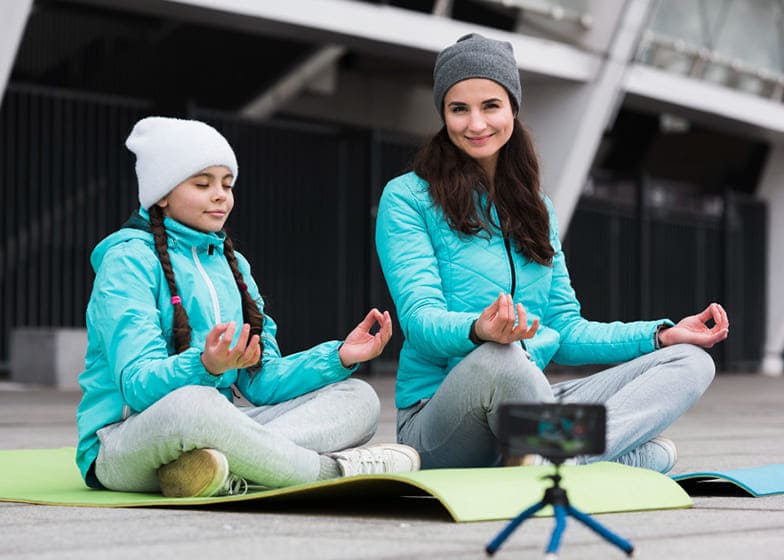
- Remote/Online Platforms: Hosting virtual coaching sessions, live meditations, and online mindfulness courses.
Many Mindfulness Coaches design their own schedules, giving them freedom to balance sessions, personal practice, and content creation. Freelancers enjoy the most flexibility, while those employed in wellness centers or organizations may follow structured timetables. Overall, the work environment is calm, supportive, and conducive to personal growth—for both the coach and their clients.
How Much You Can Earn?
Mindfulness Coaches earn income through hourly session fees, package plans, corporate contracts, workshops, and online programs. Earnings vary depending on experience, location, client base, type of sessions (individual or group), and whether the coach offers specialized programs such as stress reduction, executive mindfulness, or meditation retreats. Experienced coaches with a strong client network or online presence can command higher rates. Below are the most common ways Mindfulness Coaches earn money:
1. Hourly Coaching Fees
Most coaches charge per session, which can be one-on-one or group sessions. Rates often increase with experience, reputation, and client results.
Typical Hourly Rates:- Entry-Level Coach: $25-$35 per hour
- Experienced Coach: $35-$50 per hour
- Senior/Certified Coach: $50-$55+ per hour
2. Package Plans & Programs
Offering multi-session packages or structured programs helps clients commit to a longer course of mindfulness coaching, increasing income predictability.
Typical Package Earnings:- 4-Session Package: $100-$180
- 8-Session Program: $200-$350
- 12-Session Intensive Program: $350-$600+
3. Corporate & Workplace Programs
Mindfulness Coaches may work with organizations to run employee wellness programs, workshops, or stress management sessions.
Typical Corporate Earnings:- Single Workshop: $200-$500 per session
- Monthly Workplace Program: $500-$1,500
- Annual Corporate Contract: $3,000-$10,000+
4. Workshops, Retreats & Special Events
Some coaches organize group workshops, retreats, or specialized mindfulness events, which can significantly boost income.
Typical Event Earnings:- Half-Day Workshop: $150-$400 per participant
- Full-Day Retreat: $300-$1,000 per participant
- Weekend Retreat or Intensive Program: $500-$2,000+ per participant
5. Online Programs & Virtual Sessions
Coaches can earn additional income by offering online courses, webinars, or virtual group sessions for remote clients.
Typical Online Earnings:- Live Group Sessions: $15-$50 per participant
- Pre-Recorded Course or Program: $50-$300 per enrollment
- Subscription or Membership Platform: $20-$100 per month per client
With experience, certifications, and a strong online presence, Mindfulness Coaches can significantly increase their earning potential while building a diverse client base and flexible career.