

Become an Rehabilitation Specialist - $48,000 to $80,000 per year
A Rehabilitation Specialist is a healthcare or wellness professional who helps individuals recover, regain function, and improve their physical, emotional, or cognitive abilities after an injury, illness, disability, or life-altering event. Their primary focus is to assist clients in restoring independence and enhancing their quality of life through structured rehabilitation plans, therapeutic exercises, and personalized support. They assess each person’s needs, develop tailored recovery programs, and track progress to ensure safe and effective improvement over time.
Daily Responsibilities
Rehabilitation Specialists are responsible for helping clients recover physical, emotional, or cognitive function through structured treatment plans and supportive care. Their role requires strong analytical, therapeutic, and communication skills to guide patients through exercises, monitor progress, and adjust rehabilitation plans as needed. Rehabilitation Specialists collaborate with doctors, therapists, and families to ensure safe, effective recovery. Below are the key daily responsibilities of a professional Rehabilitation Specialist:
- Evaluating patients’ physical or cognitive abilities through assessments and medical history review
- Developing individualized rehabilitation plans tailored to each client’s condition and goals
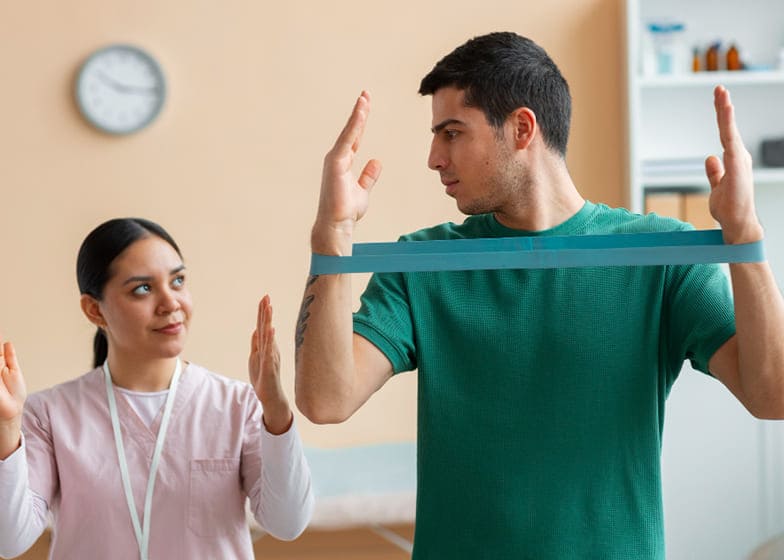
- Guiding patients through therapeutic exercises, mobility training, and functional skill practice
- Monitoring patient progress and adjusting treatment programs as improvements or challenges arise
- Collaborating with doctors, physical therapists, and other healthcare professionals for coordinated care
- Educating patients and families on exercises, safety practices, and recovery techniques
- Documenting daily sessions, treatment outcomes, and progress updates
- Using rehabilitation equipment and assistive devices safely during therapy sessions
- Supporting patients emotionally and motivating them throughout the recovery journey
- Ensuring safety guidelines, medical protocols, and facility standards are consistently followed
Rehabilitation Specialists work closely with patients to help them regain strength, mobility, independence, and overall well-being. Their approach combines medical knowledge, therapeutic techniques, and personalized care to support recovery from injuries, surgeries, disabilities, or chronic conditions. Rehabilitation Specialists build strong patient relationships, understand individual limitations, and design supportive programs that encourage progress at a safe and comfortable pace. Their work focuses on both physical improvement and emotional motivation throughout the recovery journey.
How to Start Your Career?
Becoming a Rehabilitation Specialist involves gaining the right education, developing therapeutic skills, and building experience in healthcare or recovery-focused environments. Each step helps you prepare for working with patients who need physical, cognitive, or emotional rehabilitation support. Whether you want to work in hospitals, clinics, recovery centers, or community programs, following a structured career path ensures strong professional growth. Below are the key steps to start your career as a Rehabilitation Specialist:
1. Complete the Required Education
Most Rehabilitation Specialists begin with a degree or certification in rehabilitation sciences, physical therapy assistance, occupational therapy assistance, psychology, or a related health field. This helps you understand human anatomy, therapeutic techniques, and treatment planning.
Where it applies
- Universities, community colleges, and healthcare training institutes
- Rehabilitation science, kinesiology, or psychology programs
- Certification programs for rehab support professionals
Example
- Completing a Rehabilitation Science diploma before applying for entry-level rehab assistant roles.
2. Build Clinical or Practical Experience
Hands-on experience is essential for learning how to work with patients. Internships, volunteer roles, or assistant positions help you practice therapeutic exercises, documentation, and patient support under supervision.
Where it applies
- Hospitals and outpatient rehab centers
- Physical therapy and occupational therapy clinics
- Nursing homes and community rehabilitation programs
Example
- Volunteering at a rehab facility to assist with mobility exercises and patient comfort.
3. Earn Specialty Certifications (Optional but Valuable)
Additional certifications help you specialize in areas like neurological rehab, sports injury recovery, geriatrics, mental health rehabilitation, or occupational rehabilitation. This increases job opportunities and earning potential.
Where it applies
- Professional rehab associations and healthcare certification boards
- Sports rehabilitation and exercise therapy programs
- Mental health and behavioral therapy training workshops
Example
- Completing a certification in neurological rehabilitation to work with stroke recovery patients.
4. Apply for Entry-Level Rehabilitation Roles
Once trained, you can start working as a rehabilitation aide, assistant, or junior specialist. These roles allow you to gain supervised experience and build professional confidence while assisting patients daily.
Where it applies
- Hospitals and medical centers
- Outpatient therapy clinics
- Long-term care facilities and wellness centers
Example
- Starting as a Rehabilitation Assistant in a therapy clinic to support senior therapists during treatment sessions.
5. Advance Into a Full Rehabilitation Specialist Position
With strong experience, patient-handling skills, and optional advanced training, you can transition into a full Rehabilitation Specialist role. Here, you take responsibility for assessments, treatment plans, and patient progress.
Where it applies
- Rehabilitation hospitals or inpatient recovery units
- Physical therapy, occupational therapy, or sports rehab centers
- Mental health clinics and community service programs
Example
- Managing your own patient recovery cases and adjusting therapy plans based on weekly progress reports.
6. Continue Developing Skills and Specializations
Rehabilitation is a field that evolves with new research and treatment methods. Ongoing education helps you stay competitive, improve patient outcomes, and expand into leadership, teaching, or advanced clinical roles.
Where it applies
- Professional development workshops and rehabilitation conferences
- Advanced certifications and specialty training programs
- Research-based courses in physical and cognitive rehabilitation techniques
Example
- Taking advanced mobility training courses to specialize in post-surgical orthopedic rehabilitation.
Required Skills & Qualifications
Rehabilitation Specialists must possess a combination of clinical knowledge, therapeutic skills, communication abilities, and empathetic patient care techniques. Their role requires strong understanding of human anatomy, mobility training, cognitive support methods, and recovery planning. Rehabilitation Specialists work with a wide range of patients, so they must be adaptable, organized, and capable of motivating individuals through challenging recovery processes. Below are the essential skills and qualifications needed to excel in this profession:
- Clinical Knowledge: Understanding anatomy, physiology, injury recovery, and rehabilitation principles.
- Therapeutic Skills: Ability to guide patients through exercises, mobility training, strength-building, and functional activities.
- Assessment & Evaluation: Skilled in analyzing patient conditions, identifying limitations, and designing appropriate treatment plans.
- Patient Communication: Explaining techniques clearly, offering consistent feedback, and maintaining a compassionate, supportive approach.
- Physical Stamina: Ability to assist patients physically, lift equipment, and stay active throughout therapy sessions.
- Documentation & Reporting: Recording progress, updating treatment notes, and sharing insights with healthcare teams.
- Problem-Solving Skills: Identifying challenges in patient recovery and adjusting rehabilitation strategies as needed.
- Team Collaboration: Working with physical therapists, occupational therapists, doctors, and caregivers to ensure integrated care.
- Safety Awareness: Ensuring proper use of equipment, safe exercise techniques, and adherence to rehabilitation protocols.
- Empathy & Patience: Supporting patients emotionally and encouraging them through slow or difficult recovery phases.
How Much You Can Earn?
Rehabilitation Specialists earn income through full-time clinical roles, therapy support positions, private rehabilitation services, and specialized recovery programs. Earnings vary based on experience, certifications, work setting (hospital, clinic, sports facility, or home care), and area of specialization. Those who work in advanced rehabilitation fields such as neurological recovery, sports injury rehabilitation, or cognitive therapy often earn higher salaries. Below are the most common ways Rehabilitation Specialists earn money:
1. Full-Time Salaries
Most Rehabilitation Specialists work full-time in hospitals, outpatient clinics, long-term care facilities, and rehabilitation centers. Income increases with experience, certifications, and the ability to take on complex patient cases or lead therapy programs.
Typical Salary Ranges:- Entry-Level Rehabilitation Specialist: $48,000-$58,000 per year
- Mid-Level Rehabilitation Specialist: $58,000-$70,000 per year
- Senior Rehabilitation Specialist: $70,000-$85,000+ per year
- Rehab Program Coordinator/Lead: $80,000-$100,000+ per year
2. Hourly Therapy & Rehabilitation Services
Many Rehabilitation Specialists offer hourly-based sessions for therapeutic exercises, mobility support, and recovery coaching. This is especially common in outpatient clinics, sports rehab facilities, and home-care environments.
Typical Hourly Rates:- Junior/Assistant-Level Providers: $25-$40 per hour
- Experienced Rehabilitation Specialists: $40-$60 per hour
- Advanced/Specialized Rehab Providers: $60-$90+ per hour
3. Project-Based & Treatment Plan Services
Some specialists earn through structured rehabilitation programs such as post-surgery mobility plans, injury recovery packages, or long-term therapy bundles. Fees depend on program length and complexity.
Typical Per-Project Earnings:- Short-term rehab or mobility plan: $300-$1,000 per program
- 6-12 week structured recovery plan: $1,000-$3,000 per program
- Advanced sports or neurological rehab program: $3,000-$7,500+ per program
4. Annual Support & Wellness Retainer Packages
Some Rehabilitation Specialists offer long-term support to clients through annual rehabilitation coaching, mobility monitoring, or specialized wellness programs. These retainers are ideal for athletes, seniors, or chronic pain patients.
Typical Annual Retainer Earnings:- Basic mobility coaching support: $1,000-$3,000 per year
- Rehabilitation monitoring & monthly sessions: $3,000-$7,000 per year
- Advanced rehabilitation + performance support: $7,000-$15,000+ per year
5. Specialized Add-On Rehabilitation Services
Specialists often increase earnings by offering additional services such as ergonomic assessments, functional movement screens, home-setup evaluations, or post-injury prevention programs.
Typical Add-On Charges:- Functional movement assessment: $100-$400+
- Home safety & mobility evaluation: $150-$500+
- Injury prevention & strengthening plan: $200-$800+