


Start as an Online Classroom Moderator - $12 to $30 per hour
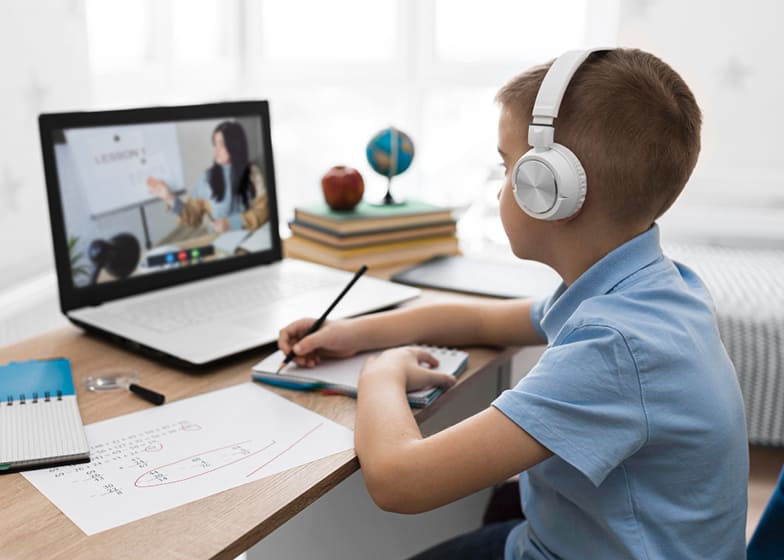
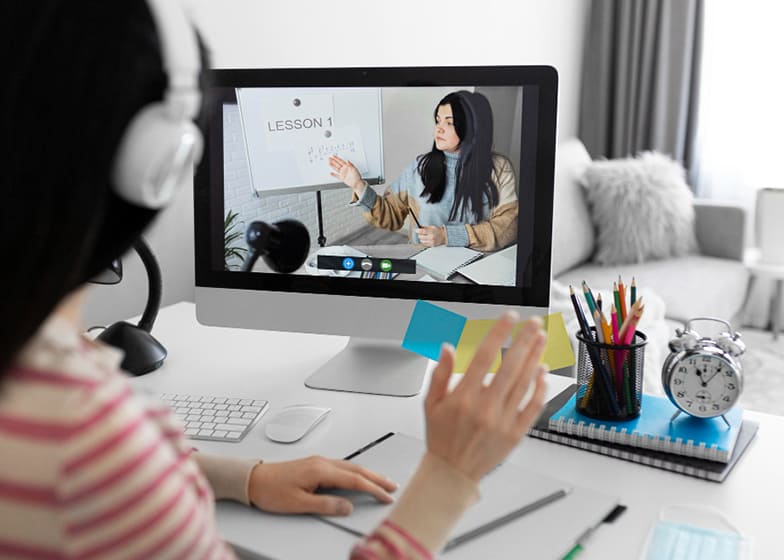
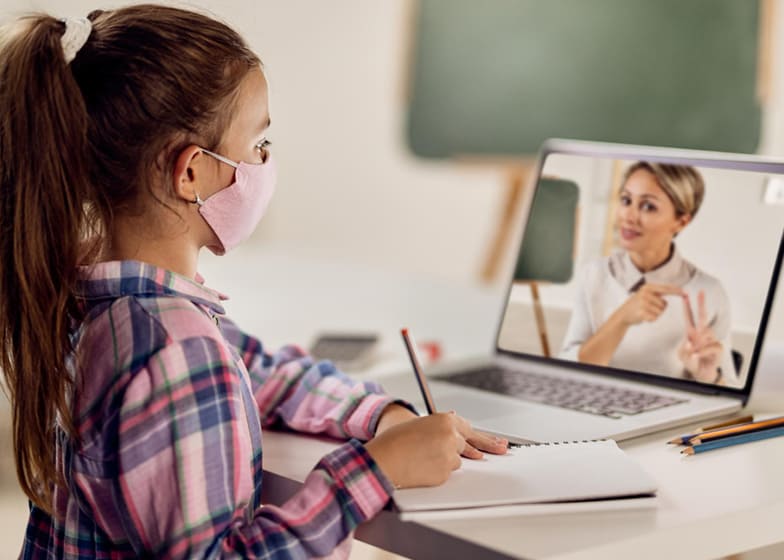
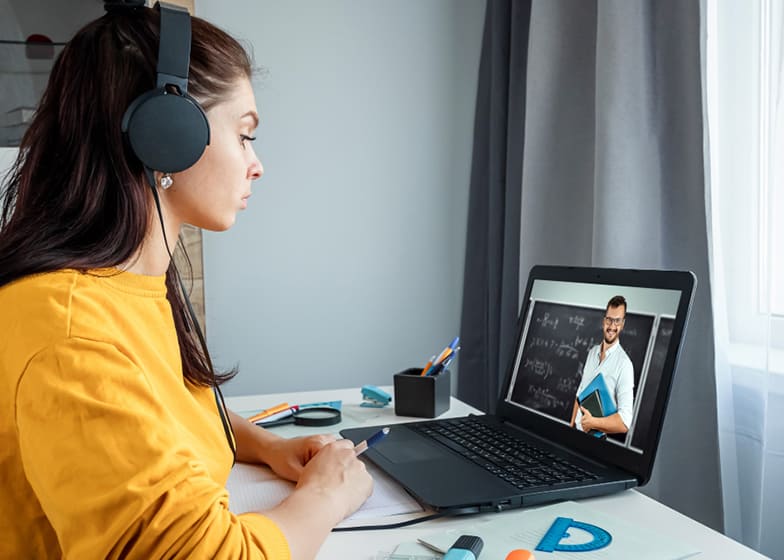
Online classroom moderation is a crucial role in the realm of virtual education, ensuring that online learning environments remain organized, engaging, and productive. Moderators act as the bridge between instructors and students, managing discussions, facilitating smooth communication, and maintaining a respectful and inclusive atmosphere. They are responsible for monitoring live classes, handling queries, and providing timely assistance to both students and teachers, ensuring that the learning experience is uninterrupted and effective.Beyond technical oversight, online classroom moderators also play a key role in promoting student engagement and participation.
How to Manage Online Classroom Discussions Effectively
Managing online classroom discussions is essential for creating an engaging and productive virtual learning environment. Effective moderators ensure that discussions stay on topic, encourage participation from all students, and maintain a respectful and inclusive atmosphere. By setting clear discussion guidelines, establishing expectations, and providing timely feedback, moderators help students interact meaningfully and collaborate on learning objectives.
Moderators also monitor student interactions to prevent misunderstandings, address questions promptly, and facilitate debate or brainstorming sessions. They may use discussion boards, live chat tools, or collaborative platforms to guide conversations and foster critical thinking. Properly managed discussions enhance student engagement, reinforce learning, and build a sense of community in the online classroom.
1. Beginner Classroom Moderators
Beginner moderators typically assist instructors by monitoring discussions, answering basic queries, and keeping the conversation focused. They help enforce discussion rules and encourage student participation without taking a leading role.
Typical Earnings Per Hour:- Hourly Rate: $12-$15
- Monthly Income: $300-$900 (depending on number of classes)
- Additional Benefits: Experience building, mentorship opportunities
2. Intermediate Classroom Moderators
Intermediate moderators actively facilitate discussions, prompt critical thinking, manage group activities, and support students with technical or content-related questions. They may oversee multiple classes or discussion threads simultaneously.
Typical Earnings Per Hour:- Hourly Rate: $15-$22
- Monthly Income: $900-$1,800 (based on number of classes and discussion volume)
- Additional Benefits: Professional development, networking opportunities
3. Advanced / Professional Classroom Moderators
Advanced moderators guide complex discussions, mentor junior moderators, and design strategies to boost engagement and participation. They may lead webinars, manage large-scale online courses, and provide detailed feedback on student contributions.
Typical Earnings Per Hour:- Hourly Rate: $22-$30+
- Monthly Income: $1,800-$3,500+ (with multiple courses or high-demand expertise)
- Additional Revenue: Specialized workshops, consulting, or course facilitation bonuses
4. Bonus & Additional Opportunities
Online classroom moderators can earn extra income by offering one-on-one facilitation, specialized discussion sessions, or designing engagement strategies for instructors.
Typical Add-ons:- Private student coaching sessions: $20-$50 per hour
- Conducting interactive workshops or webinars: $100-$400 per session
- Creating discussion guides, prompts, or learning resources for instructors
- Consulting for online course engagement and community building
Key Responsibilities of an Online Classroom Moderator
Online classroom moderators play a crucial role in ensuring smooth and productive virtual learning experiences. They help maintain an organized, engaging, and respectful environment where students can participate actively. Moderators act as a bridge between instructors and students, facilitating discussions, managing interactions, and ensuring that all learning objectives are met efficiently.
Effective moderation requires attentiveness, strong communication skills, and the ability to address challenges promptly. Moderators also support instructors by monitoring engagement levels, providing feedback, and assisting with technical or content-related issues. Their work enhances the overall quality of online courses and contributes to a positive learning experience for all participants.
- Monitoring Discussions: Keep track of student interactions to ensure conversations remain on-topic and respectful.
- Facilitating Engagement: Encourage participation, prompt critical thinking, and stimulate discussions through questions or prompts.
- Supporting Instructors: Assist instructors with managing the classroom, providing feedback on student participation, and addressing queries.
- Handling Technical Issues: Help students navigate the platform, troubleshoot basic technical problems, and ensure smooth access to learning resources.
- Enforcing Classroom Rules: Ensure students follow guidelines for behavior, communication, and participation to maintain a safe learning environment.
Tools & Software Used by Online Classroom Moderators
Online classroom moderators rely on a variety of digital tools and software to manage virtual learning environments efficiently. These tools help moderators facilitate discussions, track student engagement, organize course content, and address technical issues. Mastery of these platforms ensures a smooth learning experience for both instructors and students.
Moderators often need to be familiar with learning management systems (LMS), video conferencing platforms, communication tools, and analytics software. The right combination of tools allows moderators to monitor participation, provide real-time feedback, and maintain a structured and interactive classroom environment.
1. Learning Management Systems (LMS)
LMS platforms are central to online education, allowing moderators to manage course content, track student progress, and facilitate assignments and quizzes. Examples include Moodle, Canvas, Blackboard, and Google Classroom.
Typical Usage:- Course content organization and distribution
- Tracking student attendance and participation
- Facilitating quizzes, assignments, and grading
2. Video Conferencing Tools
Moderators use video conferencing platforms to host live classes, interactive sessions, and virtual office hours. These tools also enable screen sharing, breakout rooms, and recording of sessions for later reference.
Popular Platforms:- Zoom
- Microsoft Teams
- Google Meet
- Webex
3. Communication & Collaboration Tools
Effective communication is key for moderators to interact with students and instructors. Collaboration tools also help manage group projects and discussions.
Typical Tools:- Slack or Microsoft Teams for real-time messaging
- Discussion forums within LMS
- Email platforms for announcements and updates
- Shared drives (Google Drive, OneDrive) for resources and files
4. Analytics & Monitoring Software
Moderators use analytics tools to track student engagement, participation trends, and performance metrics. These insights help in identifying students who may need additional support.
Common Tools:- LMS built-in analytics dashboards
- Google Analytics (for e-learning websites)
- Engagement tracking tools like Edpuzzle or ClassDojo
5. Additional Productivity Tools
To enhance efficiency, moderators often use task management, note-taking, and scheduling software.
Examples:- Trello or Asana for task management
- Evernote or OneNote for note-taking
- Calendly or Google Calendar for scheduling sessions
Essential Skills Needed to Become an Online Classroom Moderator
Becoming an effective online classroom moderator requires a combination of technical expertise, communication skills, and interpersonal abilities. Moderators are responsible for maintaining a productive and engaging learning environment, which means they must be adept at managing discussions, handling conflicts, and supporting both instructors and students. The following skills are crucial for success in this role:
Moderators must balance multitasking, technical proficiency, and student engagement while fostering a positive virtual classroom culture. Strong problem-solving, patience, and adaptability are also key, as moderators often deal with unexpected challenges such as technical issues, disruptive behavior, or diverse learning needs.
- Effective Communication: Ability to convey instructions clearly, respond to student questions promptly, and facilitate meaningful discussions in both written and verbal formats.
- Technical Proficiency: Familiarity with LMS platforms, video conferencing tools, and online collaboration software to manage classrooms efficiently.
- Time Management: Managing multiple tasks simultaneously, including monitoring discussions, supporting instructors, and tracking student engagement.
- Conflict Resolution: Handling disruptive behavior or misunderstandings diplomatically while maintaining a positive learning environment.
- Adaptability: Quickly adjusting to new tools, learning environments, and unexpected challenges in virtual classrooms.
How Much You Can Earn?
Online classroom moderators can earn a competitive hourly rate depending on their experience, technical skills, and the type of organization they work for. Entry-level moderators often start by assisting with basic class management, while experienced moderators may handle multiple classes, train other moderators, or manage large online programs. Rates also vary depending on whether they work for educational institutions, corporate training programs, or online course platforms.
Income is typically structured on an hourly basis, but some moderators may also receive fixed monthly payments or contract-based compensation. Below is a breakdown of typical earnings for online classroom moderators:
1. Entry-Level Online Classroom Moderator
Entry-level moderators usually assist with monitoring class discussions, handling student questions, and supporting instructors. They gain hands-on experience while learning moderation tools and online classroom best practices.
Typical Earnings Per Hour:- Hourly Rate: $12-$15
- Monthly Income: $400-$1,200 (depending on hours worked)
- Additional Benefits: Training, mentorship, flexible schedules
2. Mid-Level Online Classroom Moderator
Mid-level moderators manage larger classes, facilitate interactive discussions, handle minor conflicts, and may mentor entry-level moderators. They are proficient in multiple online teaching tools and classroom management strategies.
Typical Earnings Per Hour:- Hourly Rate: $16-$22
- Monthly Income: $1,200-$2,500 (depending on class volume and hours worked)
- Additional Benefits: Performance bonuses, professional development opportunities
3. Senior / Advanced Online Classroom Moderator
Senior moderators oversee complex programs, coordinate with instructors, implement moderation strategies, and ensure high-quality student engagement. They often lead teams of moderators and provide advanced reporting on class performance.
Typical Earnings Per Hour:- Hourly Rate: $23-$30+
- Monthly Income: $2,500-$5,000+ (with multiple classes or high-demand expertise)
- Additional Revenue: Training sessions for new moderators, curriculum support, consulting
4. Bonus & Additional Revenue Opportunities
Online classroom moderators can supplement their income by offering extra services, consulting, or training packages for institutions or instructors.
Typical Add-ons:- One-on-one instructor support: $15-$50 per hour
- Training workshops for moderators: $100-$400 per session
- Creating classroom management guides or templates
- Consulting on online engagement strategies